Disinfecting Wipes vs Wet Wipes: What's Really Inside the Pack?
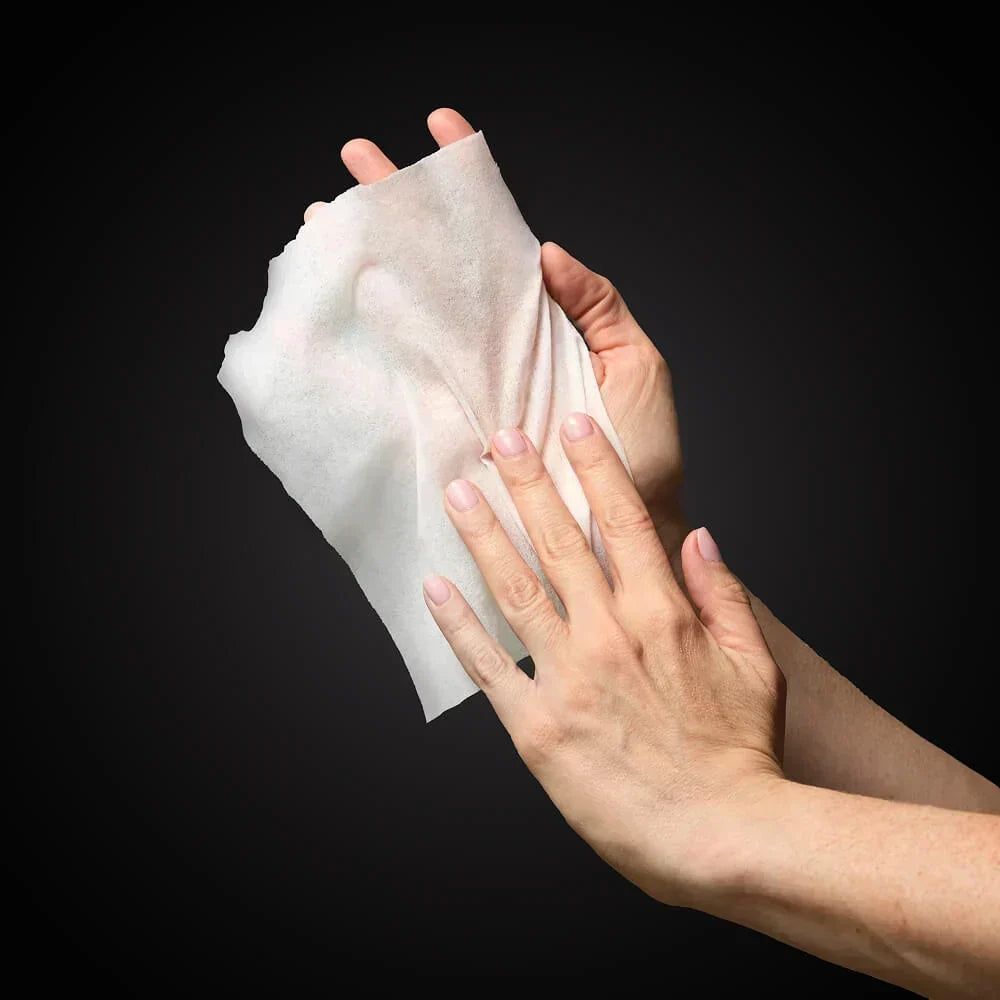
A pack of wipes can look simple enough, but not every wipe is made for the same job. Some are designed to disinfect hard surfaces, some are made for everyday cleansing, and others are specifically formulated for use on skin. Understanding the differences among disinfecting, wet, antibacterial, and cleansing wipes can help you choose the right option without guessing.
In this blog, we'll break down what's inside different types of wipes, where they belong, and how to choose the right one for your routine.
Disinfecting Wipes vs. Wet Wipes: What's the Difference?
The biggest difference comes down to what the wipe is designed to do and where it is safe to use.
Disinfecting Wipes
They are formulated for hard, non-porous surfaces. They typically contain active ingredients intended to kill or inactivate specific germs on surfaces when used as directed on the label. They're useful for things like countertops, handles, and other approved surfaces, but they should not be used on your hands automatically.
Wet Wipes
This is a much broader term. It can describe pre-moistened wipes made for everything from personal cleansing to makeup removal and baby care. The ingredients and intended use can vary considerably from one product to another.
Antibacterial Wipes
These can refer to wipes formulated to reduce bacteria, but the exact claim and intended use depend on the product. Always check the label to see whether a wipe is designed for skin or surfaces.
Cleansing Wipes
They are generally intended to clean the skin by removing sweat, oils, dirt, or residue. Some may also contain ingredients designed to leave skin feeling fresh and comfortable.
The takeaway is simple: don't judge a wipe by its name alone. Check the label and intended use before applying it to your skin or to a surface.
What's Actually Inside a Wipe?
The liquid inside a wipe is what gives it its specific purpose. Depending on the product, it may contain cleansing agents, alcohol, preservatives, moisturizers, fragrances, or other ingredients.
For skin-focused sanitizing wipes, the formula needs to balance effective sanitization with a comfortable skin experience. Noshinku's sanitizing wipes are designed specifically for hands and combine sanitizing ingredients with skin-conditioning components.
Noshinku also takes a skincare-first approach to its wipes, using a plant-based wipe material and ingredients selected to help support skin comfort.

Why the Difference Matters for Your Skin
Your hands encounter enough throughout the day without adding the wrong wipe to the mix. Surface disinfecting wipes are formulated for hard, non-porous surfaces and may contain ingredients not intended for skin.
If you need to clean your hands, choose wipes specifically labeled for use on skin. If you're cleaning a desk, tray table, or another hard surface, use a product intended for that purpose.
This distinction is especially important when you're traveling. A wipe that works for your airplane tray table isn't necessarily the right choice for your hands.
What to Look for in Hand Sanitizing Wipes
If you're choosing cleansing or sanitizing wipes for everyday carry, a few details are worth considering.
Designed for Skin
Make sure the product is specifically intended for hands or skin. This is the easiest way to avoid confusing personal cleansing wipes with surface disinfecting wipes.
Skin-Conscious Ingredients
Frequent hand hygiene can sometimes leave skin feeling dry. Look for formulas that include skin-conditioning ingredients alongside their sanitizing components.
Noshinku's sanitizing wipes are designed with skin in mind, offering a convenient option for moments when you want to clean your hands beyond what a spray can provide.
A Convenient Format
Individually packaged or compact wipes can be useful when you're commuting, traveling, eating on the go, or dealing with an unexpected mess. A slim pack can easily fit into a handbag, backpack, or travel pouch.
Looking for a skin-focused option? Explore Noshinku's sanitizing wipes, designed for convenient everyday hand hygiene.
When Should You Use Wipes?
Different situations call for different products.
-
Hands: Choose sanitizing or cleansing wipes specifically labeled for skin.
-
Visible dirt or residue: A skin-safe cleansing wipe can help remove surface residue when soap and water aren't available.
-
Shared hard surfaces: Use disinfecting wipes approved for the specific surface.
-
Travel: Carry skin-safe sanitizing wipes for on-the-go hand hygiene.
-
Everyday messes: Keep cleansing wipes nearby for quick cleanups, following the product's intended use.
Remember that wipes aren't interchangeable. Using the right product for the right job is part of good hygiene.

FAQs
Are disinfecting wipes safe for hands?
Not necessarily. Most disinfecting wipes are designed for hard, non-porous surfaces. Check the label before using any wipe on skin.
Are wet wipes the same as sanitizing wipes?
No. Wet wipes are a broad category, whereas sanitizing wipes are specifically formulated for sanitizing.
Are antibacterial wipes the same as disinfecting wipes?
Not always. Their formulation, claims, and intended use can differ, so check the product label.
Can I use cleansing wipes instead of hand sanitizer?
It depends on the product. A cleansing wipe may remove dirt and residue but may not provide the same sanitizing function as an alcohol-based hand sanitizer.
The Right Wipe for the Right Moment
The most useful wipe isn't necessarily the strongest one. It's the one formulated for the job you're trying to do.
Disinfecting wipes belong on appropriate surfaces, while skin-safe sanitizing and cleansing wipes can make everyday hand hygiene more convenient. Knowing the difference helps you choose more thoughtfully and avoid using a surface product where a skin product belongs.
For an easy addition to your everyday routine, explore Noshinku's sanitizing wipes designed specifically for hands and life on the go.