How to Read a Hand Sanitizer Ingredient Label: What Belongs and What Does Not
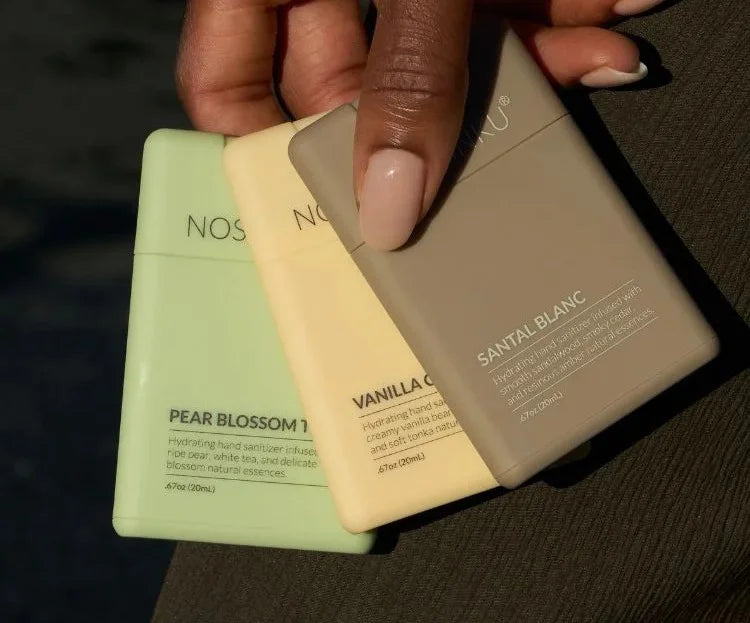
Hand sanitizer labels can be surprisingly hard to decipher. Between alcohol percentages, botanical oils, fragrance ingredients, and unfamiliar chemical names, it is not always obvious what a formula actually does.
The good news is you don't need a chemistry degree to choose more confidently. Understanding a few key hand sanitizer ingredients can help you find a product that supports everyday hygiene while fitting your preferences for skin comfort, fragrance, and formulation.
This blog breaks down what to look for, what to question, and how to read the label with confidence.
Start With the Active Ingredient
Start with the active ingredient. It drives the sanitizer's germ-reducing action, so its identity and concentration matter more than whether the packaging says clean, natural, or gentle.
For alcohol-based sanitizers, check the percentage of ethyl alcohol or isopropyl alcohol. The CDC recommends choosing a hand sanitizer with at least 60% alcohol when soap and water are not available.
A label should clearly identify the active ingredient and explain how to use the product. Follow the directions, apply enough to cover all hand surfaces, and rub your hands together until dry. Sanitizer is intended for external use only and should be kept away from the eyes and out of reach of children.
Understand the Supporting Ingredients
The rest of the ingredient list explains what else the formula contains. Some ingredients help maintain texture and consistency, while others condition the skin or provide fragrance.
Skin-Conditioning Ingredients
Frequent sanitizing can leave hands feeling dry, so that you may prefer a formula with moisturizing or conditioning ingredients. Look for familiar options such as aloe vera, glycerin, jojoba oil, argan oil, rosehip oil, or coconut oil. These ingredients can help support a softer skin feel, although results vary by formula and individual skin.
Fragrance Ingredients
Fragrance can make sanitizer more enjoyable to use, but it is worth checking how it is described and, more importantly, how the fragrance ingredients are sourced. Some products use synthetic perfumes, while others use essential oils or natural-origin fragrance ingredients (like Noshinku). Natural does not automatically mean irritation-free, so anyone with fragrance sensitivities should review the label carefully.
Other Functional Ingredients
Unfamiliar ingredient names aren't automatically bad. For example, some formulas use ingredients to help blend components, maintain consistency, or improve the product's feel. Rather than judging an ingredient by its name alone, consider its purpose, the overall formula, and the manufacturer's ingredient information.
Once you understand what each ingredient contributes, you can choose a sanitizer that balances effective hygiene with the skin feel and fragrance you prefer.

What Does "Clean" or "Natural" Hand Sanitizer Really Mean?
Terms like clean, natural, and non-toxic can sound reassuring, but they don't tell you everything about a product's safety or effectiveness. No single ingredient checklist makes every sanitizer the best choice for everyone.
When comparing an all-natural hand sanitizer or searching for the best clean hand sanitizer, focus on verifiable details:
-
Effective active ingredient: Check the alcohol type and concentration.
-
Transparent labeling: Look for a complete ingredient list and clear directions.
-
Skin comfort: Consider whether the formula includes conditioning ingredients.
-
Fragrance preferences: Check for synthetic perfumes, essential oils, or other fragrance components if these matter to you.
-
Relevant warnings: Read precautions, especially if you have sensitive skin or known allergies.
A shorter ingredient list isn't automatically better, and a scientific-sounding ingredient name isn't automatically harmful. The goal is to understand what is in the product and why.
A Closer Look at Noshinku Hand Sanitizer Ingredients
Noshinku combines alcohol-based sanitizing with skin-conditioning ingredients. Our pocket sprays and refills contain 70% ethyl alcohol derived from sugarcane, along with aloe vera, vegetable-derived glycerin, panthenol, allantoin, jojoba oil, argan oil, rosehip oil, and coconut oil. Exact ingredients can vary by product, so always check the label for the specific scent or format you are buying.
We also avoid artificial dyes and synthetic perfumes in our blends, using natural-origin fragrances crafted with essential oils and natural essences instead. Our ingredient approach balances effective hand hygiene with a more comfortable feel after use.
Is Noshinku Hand Sanitizer Non-Toxic?
If you are searching "is Noshinku hand sanitizer non-toxic?" it helps to look beyond a simple yes-or-no label. Noshinku uses USP-grade ethyl alcohol distilled from sugarcane and formulates its products without artificial dyes, parabens, or benzalkonium chloride. Its formulas also only use natural origin fragrances and include natural skin-conditioning botanicals.
However, no sanitizer is harmless in every situation. Alcohol-based sanitizers are flammable, are intended for external use only, and should not be swallowed. Ingredients that suit one person may also irritate another. If you have allergies or sensitive skin, review the exact product label and consult a healthcare professional if you are unsure.
A Simple Label-Reading Checklist
Before choosing your next sanitizer, take a moment to check these four things:
-
Active ingredient: Is the alcohol type and concentration clearly stated?
-
Full ingredient list: Can you identify the moisturizing, fragrance, and supporting ingredients?
-
Personal sensitivities: Does the formula contain anything you know your skin reacts to?
-
Directions and warnings: Are the instructions clear, and can you use the product as directed?
These small checks can make choosing a sanitizer much less confusing.

FAQs
Which ingredients should I look for in hand sanitizer?
Check for an appropriate alcohol concentration and, if desired, skin-conditioning ingredients such as aloe, glycerin, or plant oils.
Is an all-natural hand sanitizer always safer?
No. Natural ingredients can still irritate, and effectiveness depends on the formula and active ingredient.
Does Noshinku use synthetic fragrances?
Noshinku’s scents are made from natural origin fragrances, rather than synthetic perfumes. Their core 6 fragrances (Eucalyptus, Lavendula, Bergamot, Limon, Vetiver and Orange Coriander) are made exclusively with essential oils, without artificial perfumes. Fragrance ingredients can vary by product, so check the specific label.
Can hand sanitizer dry out your skin?
Yes. Frequent use can leave hands feeling dry. Formulas with skin-conditioning ingredients may help improve comfort.
Know What You Are Putting on Your Hands
Reading a hand sanitizer label is easier when you know what matters: the active ingredient, the supporting formula, and any ingredients that may not suit your skin. Look past broad marketing terms and choose a product that balances effective hygiene with your personal preferences.
Explore Noshinku's hand sanitizers to discover sugarcane-derived alcohol, skin-conditioning botanicals, and thoughtfully crafted fragrances in a refillable format.